Your Home, Your Identity: How to Decorate Your Apartment with AI Without Breaking the Bank
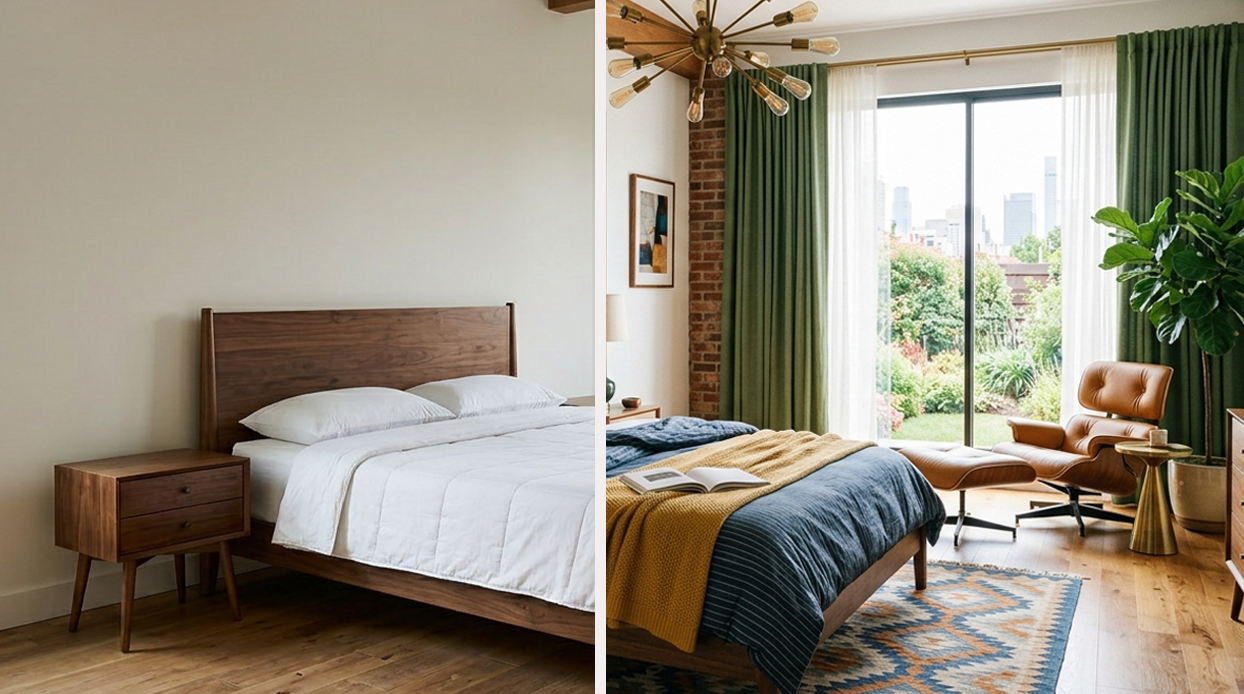
The space where you live says a lot about you. Not in the pretentious sense of interior design magazines, but in the most basic way: when you get home at the end of the day, does that space make you feel good, or do you just tolerate it? For many young people who live alone or in a shared apartment, the honest answer is the latter. Not because they lack taste, but because decorating well seems expensive, complicated, or reserved for people who know what they’re doing. Luzia can change that perception, because it turns out that having a good eye for decor has a lot to do with knowing how to ask the right questions.
Why decorating your home matters more than you think
Your physical environment directly affects your mood, productivity, and well-being. This isn’t some New Age theory: decades of research in environmental psychology back it up. The color temperature of the light, the visual layout of a room, the colors of the walls, and whether your desk is in the right spot all influence how you feel and what you’re able to accomplish in that space.
That said, you don't need to renovate or buy new furniture to significantly improve a space. Sometimes, a few well-chosen small changes are all it takes.
What AI Can Do for Your Home
Identify your style (even if you don't know what it's called)
Most people have an intuitive sense of the kind of spaces they like, but they don't know how to translate that into concrete decisions. You can describe to your AI assistant the spaces you like, the colors that appeal to you, the feelings you’re looking for at home, or even send it references to photos you’ve saved. From there, it can help you identify your style and, most importantly, understand which specific elements define it.
Solve specific problems in your space
Rental apartments come with their own set of challenges: small rooms, limited natural light, wall colors you can’t change, and hand-me-down furniture that doesn’t quite fit. AI can help you come up with practical solutions to these real-world constraints: how to make a small room appear larger, how to compensate for the lack of natural light with artificial lighting, or which textiles or visual elements can tie together mismatched furniture without buying anything new.
Create a prioritized shopping list
One of the most common mistakes people make when decorating is spending money on things that don’t transform the space. Luzia can help you prioritize: which item would have the greatest visual impact in your room for the least amount of money, where it’s worth spending a little more, and where it isn’t. A high-quality lamp can completely transform a room. An expensive painting on the wrong wall, however, cannot.
Before you buy: visualize the result
Will that sofa you saw online look good in your living room? Will that curtain color work with the lighting in your home? Luzia can help you think through these questions before making a purchase that you can’t return later.
The principle that changes everything
Decorating isn't about hoarding pretty things. It's about creating harmony between the items you already have and the ones you add. Once you understand that—and when you have help putting it into practice—the result is a space that truly feels like your own, not just a collection of unrelated purchases.
Your home doesn't have to be perfect. It just has to make you feel good.