Teachers and AI: how artificial intelligence is transforming the way you teach
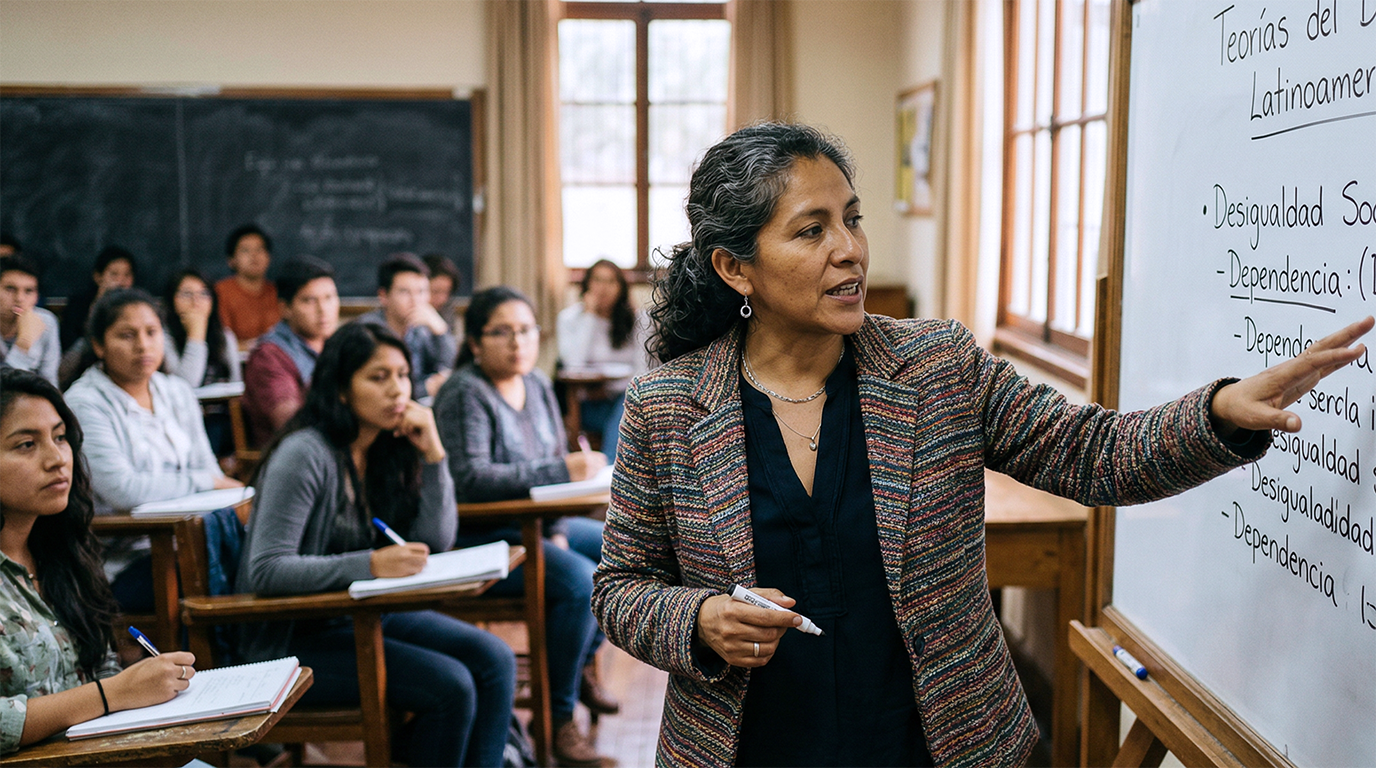
Artificial intelligence has arrived in classrooms, bringing with it a question that continues to grow: will AI replace teachers? The short answer is no. The long answer is much more interesting, and tools such as Luzia are helping teachers discover it every day.
Fear is understandable, but it has no real basis.
When conversational AI such as Luzia began to arrive in classrooms, many teachers felt the ground shifting beneath their feet. And that's normal. Every time a new educational technology arrives, the debate about the future of the teaching role flares up.
But there is something that artificial intelligence cannot do: build human connections, detect when a student is having a hard time, or adapt an explanation with empathy in real time. These human skills in education are irreplaceable—and they are precisely the most valuable ones.
What AI can do (and do very well)
This is where educational technology truly shines. Generative AI in the classroom can become the assistant every teacher needs but never had:
- AI-powered lesson planning: generate lesson plans, activities, and resources in minutes.
- Automatic correction and intelligent feedback: less time correcting, more time teaching.
- Personalized learning: adapts content to each student's pace and level.
- Time savings for teachers: administrative tasks, rubrics, communications—everything is faster.
AI does not replace teachers. It gives them back time to do what really matters.
Generative AI in education: real-life examples with Luzia
Luzia is already being used in classrooms to create educational materials, design personalized exams, and answer students' questions outside of school hours—in Spanish, easily and without a learning curve. The impact of AI on teaching is beginning to show in the data: teachers are saving up to five hours per week on repetitive tasks.
The real debate: ethics and responsible use
Talking about AI in education also means talking about AI ethics in schools. How do we prevent students from using AI to cheat? What data is collected? Who regulates all this?
Regulation of artificial intelligence in education is advancing—UNESCO has already published specific guidelines—but teachers do not have to wait for laws to be passed. They can start using AI critically and pedagogically today.
Conclusion: teachers + AI, the winning combination
The advantages and disadvantages of AI in education exist, as with any tool. But the biggest mistake would be to ignore it. The future of the teaching role is no less important with AI—it is more strategic, more human, and more effective.
AI isn't here to take away teachers' jobs. It's here to take away the work they shouldn't be doing.