The death of stock photography? How AI is changing the visual world
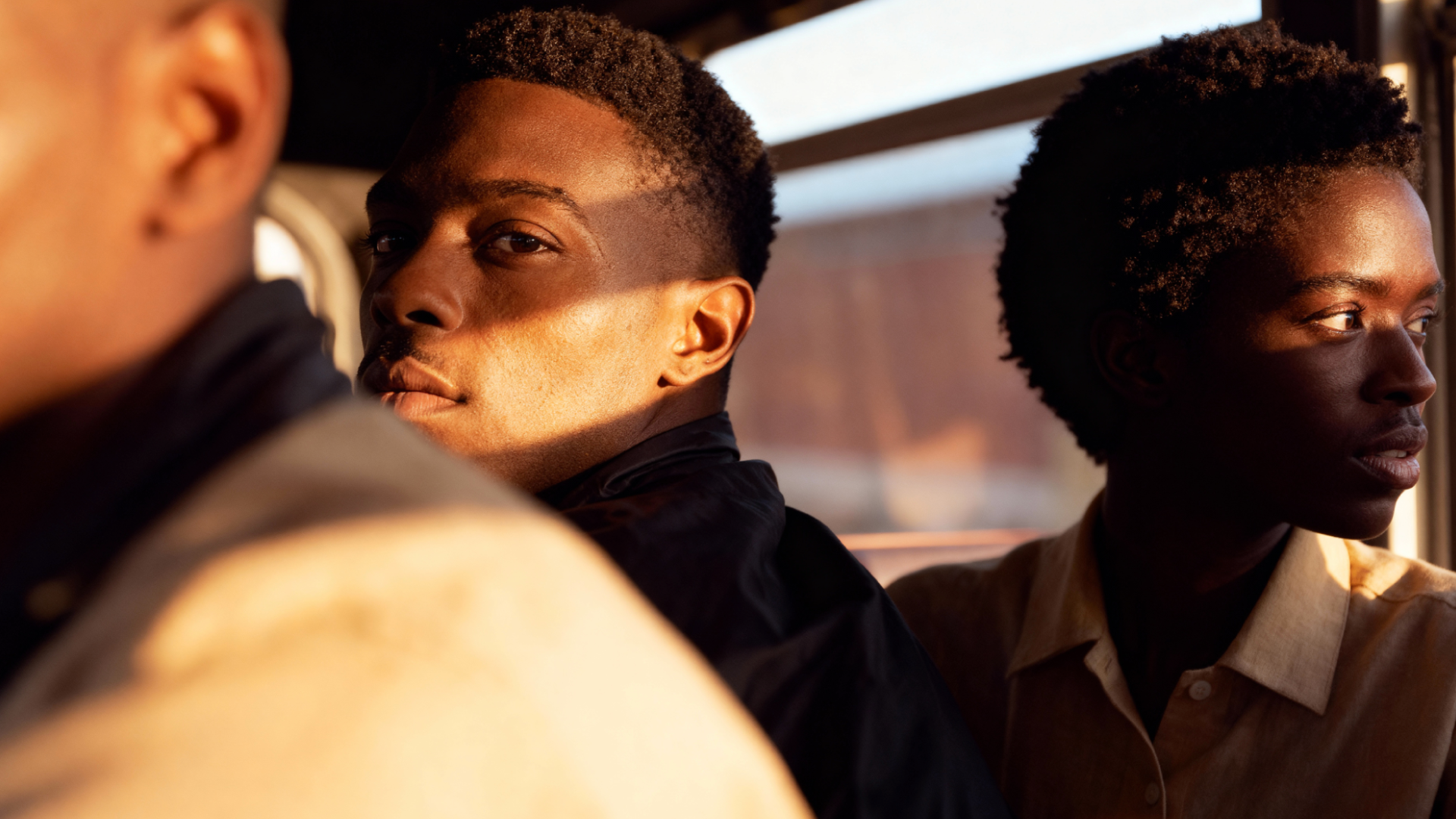
How many times have you seen that photo? You know the one. The team smiling in a glass office. The "successful" handshake that appears on every corporate website on the planet.
The generation of images using artificial intelligence is changing this radically and faster than many expected.
The problem with stock photos
For decades, creators, brands, and bloggers relied on image libraries such as Getty or Shutterstock. The logic was simple: professional photos at an affordable cost.
But there was a catch. The same images were available to everyone, leading to a homogeneous visual landscape where originality was conspicuous by its absence. A photo of "teamwork" could appear on the website of a startup in Madrid and a consulting firm in Tokyo at the same time.
On top of that, licenses could be confusing, prices escalated quickly with volume, and finding the perfect image required hours of searching.
What has changed with generative AI
Generative AI allows you to create completely new images from a text description. You write what you need, and the system generates it from scratch — without resorting to any existing photos.
This has several important implications:
Total customization. You can specify the style, composition, colors, mood, and even small details. The result is an image designed exactly for your context.
Speed. What used to require a photo shoot or hours searching through catalogs now happens in seconds.
Cost. Most AI image generation tools are significantly cheaper than premium image bank subscriptions — or even free.
No licensing issues. AI-generated images do not have the same copyright conflicts as traditional stock photos, although this legal area continues to evolve.
Beyond the static image
What began as simple image generation has evolved considerably. In 2026, the most advanced tools allow for:
- Edit existing images using natural language instructions—change the background, modify elements, adjust lighting.
- Animate images to turn them into short videos, useful for social media or presentations.
- Maintain visual consistency across different pieces of content, which is crucial for brand identity.
The role of AI assistants such as Luzia
One of the most interesting trends is the integration of these visual capabilities into general-purpose AI assistants. Luzia is a good example: an assistant accessible from WhatsApp and Telegram , in addition to helping with everyday tasks such as writing texts, translating, or summarizing documents, also includes AI-powered image creation and editing tools.
This is important because it eliminates the friction of having to use multiple specialized platforms. A content creator can generate an image, write the accompanying caption, and schedule its publication from a single conversation.
It's not the only assistant that offers this, but its accessibility—no registration, no additional downloads, with end-to-end encryption—makes it a particularly practical option for those who are not tech-savvy.
What does this mean for creators and brands?
AI image generation does not mean that photographers or designers will disappear. What is changing is the entry point to quality visual content.
Previously, producing original and professional images required a budget or technical skills. Now, anyone with a clear idea can generate a solid visual in minutes. This democratizes content creation, but it also raises the bar: if everyone can easily create good images, the difference is made by the creativity and strategy behind them.
The brands and creators who are making the best use of this technology are not using it to replace their creative vision, but to execute it faster and with greater flexibility.
What AI still cannot solve
It is important to be honest about current limitations. AI still struggles with complex details such as text within images, realistic human hands, or scenes with many interacting elements. Results can be unpredictable and sometimes require several attempts to achieve what you are looking for.
Furthermore, the debate over authorship, the use of training data, and the impact on professionals in the visual sector remains open—and it is a conversation that deserves attention.
Stock photography isn't going to disappear tomorrow, but its role as the default option for visual content is being seriously questioned. AI-generated images offer a more flexible, personalized, and accessible alternative—with real limitations that also need to be taken into account.
For those who create content on a regular basis, understanding these tools is no longer optional. It's part of the landscape.